Pelvic Bone Stress Injury Strength & Conditioning Program - Phase 2
Prepare To Perform
FootballThis program is designed for athletes with a lumbar stress fracture who have progressed beyond the acute protection phase and are currently in a non-axial loading rehabilitation stage. The primary objective is to maintain and progressively develop strength, mobility, and movement control while protecting the healing lumbar spine from compressive loading.
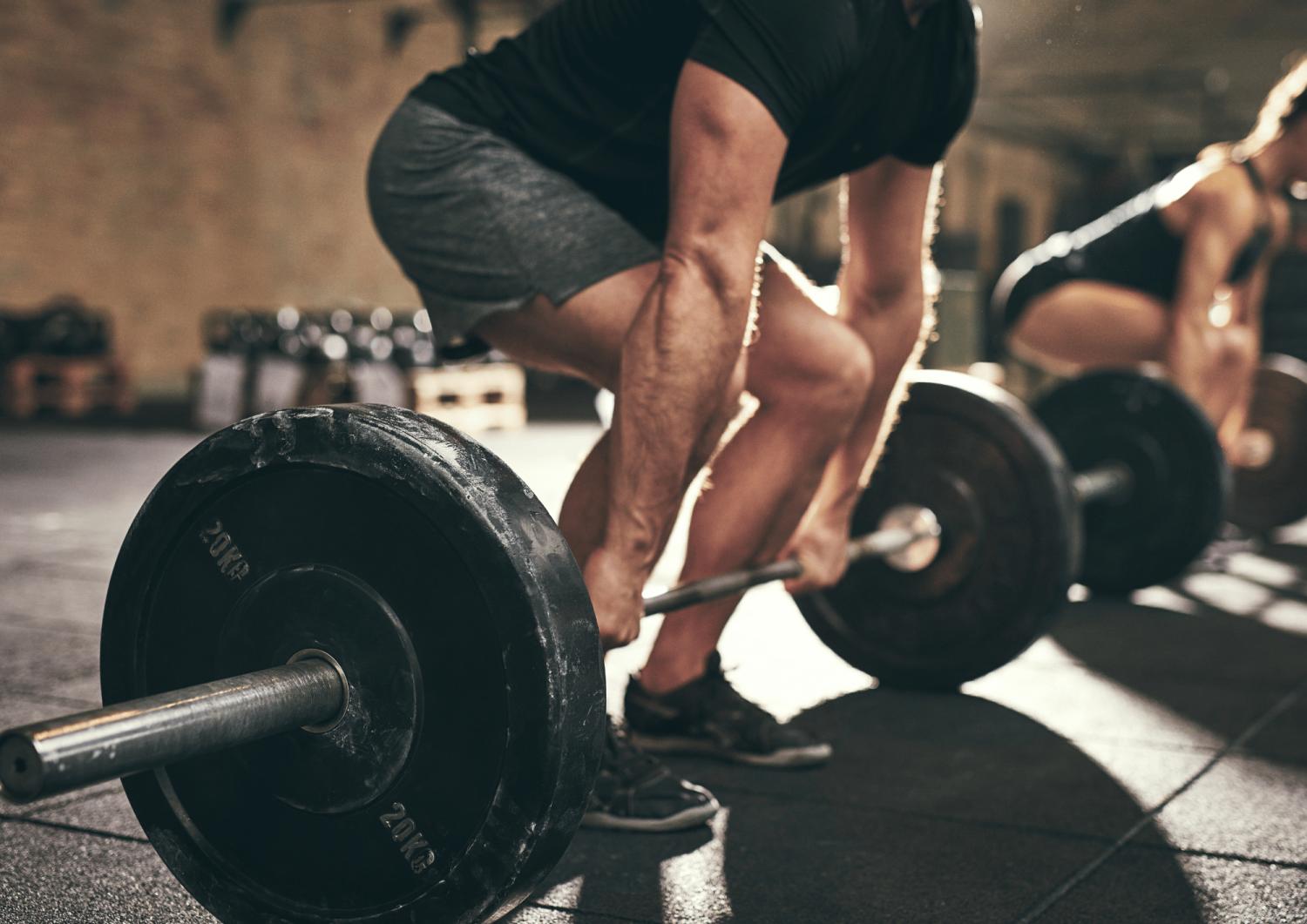
During this stage of rehabilitation, axial loading patterns such as heavy squatting or barbell spinal loading are avoided. Instead, the program emphasises unilateral lower-body strength, sled-based work, isometric force production, and supported strength exercises that allow meaningful strength stimulus without excessive spinal compression.
A central focus of the program is restoring and maintaining thoracic spine mobility and hip mobility, which helps reduce compensatory motion and stress through the lumbar spine. Thoracic rotation and hip rotational mobility are incorporated in every session to support efficient movement mechanics and reduce extension or rotation demands at the injured segment.
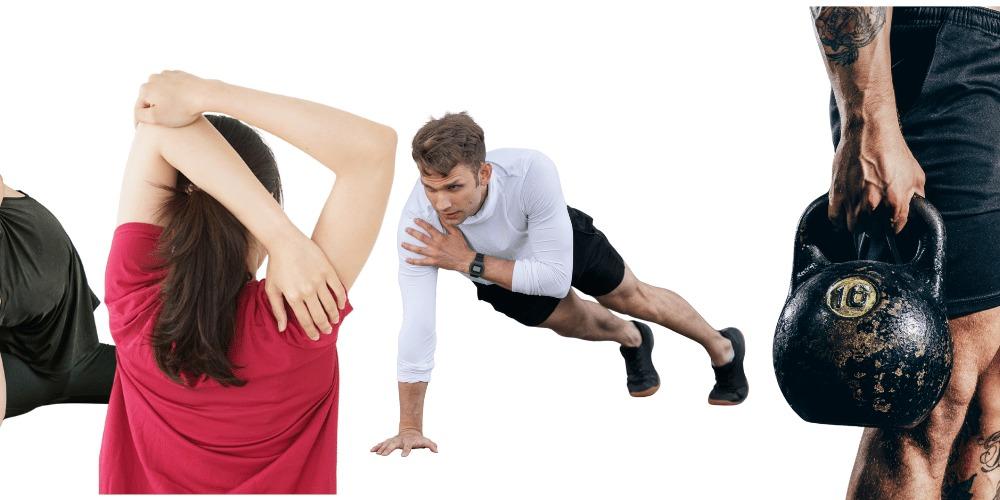
The strength component prioritises general strength and trunk control, using exercises that challenge anti-rotation, single-leg stability, and multi-planar control while maintaining natural breathing patterns and minimizing excessive spinal bracing. Upper body pushing and pulling patterns are included weekly to preserve whole-body strength and training balance.
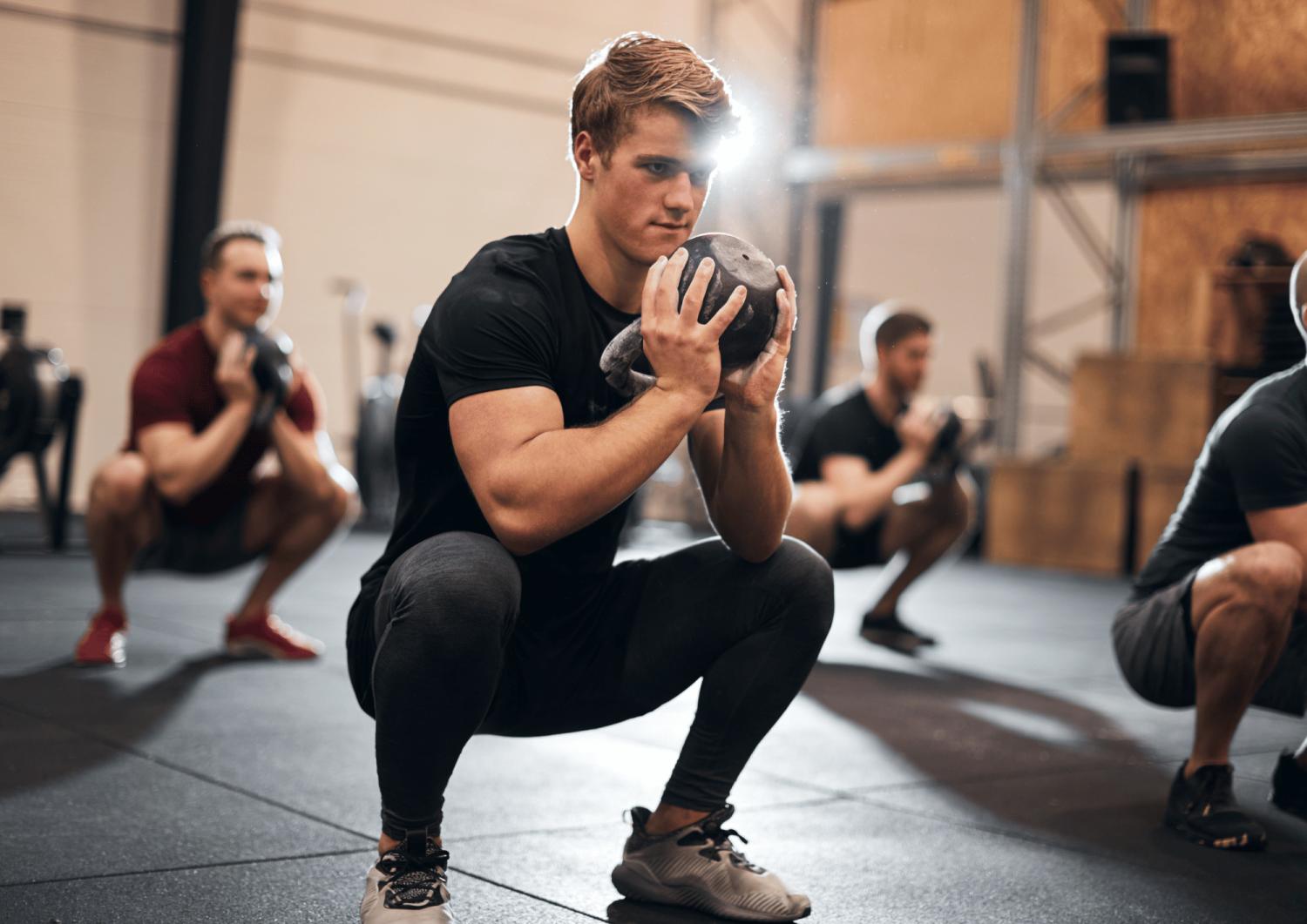
Lower body strength is developed through sled pushes/drags, goblet variations, split squat patterns, and single-leg hinging exercises, which allow the athlete to maintain leg strength and work capacity during the period where traditional bilateral axial lifts are restricted.
The program is structured as four sessions per week over six weeks, allowing consistent exposure to mobility work, strength maintenance, and trunk stability development while respecting tissue healing timelines.
Overall, the intent of this program is to bridge the gap between early rehabilitation and a return to loaded strength training, ensuring the athlete maintains strength qualities, improves mobility and movement control, and remains physically prepared to progress into higher-load training once axial loading is clinically appropriate.


A1
Brettzel 2
For Completion
A2
Leg Lowering (FMS)
A3
Hip mobilisation variations
For Completion
B1
Prying Goblet Squat
3 x 5
B2
Half-kneeling cable lift
3 x 12
B3
Copenhagen Plank (Short Lever) - lower leg supporting
2 x 20 @ 6
C1
DB Split Squat
3 x 12
C2
Half kneeling cable chop
3 x 12
D1
Slow Mountain Climber
3 x 12
D2
Front Plank Shoulder Taps
3 x 12
Conditioning
E
Pre-Return to Run Treadmill Intervals
Treadmill. This is purely aerobic. Speed: 4.5km/h to 5.5km/h Incline: between flat and 5 degrees uphill Goal: Aerobic training only, which means the heart rate should be between 135 to 150 beats per minute. It's possible the only way you can get your heart rate into that zone is to put the incline up, or carry weights. Do 3 minutes of uphill, then 1.5 minutes flat. 12 reps. If your heart rate isn't high enough, even with the uphill, carry kettlebells for part of the 3 minute working interval.
A1
Conquer the Brettzel by Surrounding the Dragon
A2
Leg Lowering (FMS)
A3
Resisted Standing Hip Flexion
B1
Feet Up Bench Press
4 x 5
B2
Half kneeling windmill
3 x 12
C1
Pull up - knees at 90 degrees
C2
Split stance cable chop
3 x 8
D1
Incline DB Bench Press
3 x 8
D2
Cable single leg deadlift
3 x 12
E
Close Grip Bench Press (Feet up)
4 x 6
Conditioning
A
Aerobic Capacity (Cyclical)
Choose one, or a mix of all 3 for the session duration: Bike Incline treadmill walk Rower (light) Intensity 4-5/10 - Comfortable but working. Nasal breathing possible Able to talk in full sentences Duration Week 1: 20–25 min Week 2: 25–30 min Week 3: 30–35 min Week 4: 30–40 min (cap) “Smooth, steady effort. You should finish feeling better than when you started.”
A1
Hip mobilisation variations
For Completion
A2
Leg Lowering (FMS)
A3
Brettzel 2
For Completion
B1
Isometric mid-thigh pull
4 x 8
B2
Pull up - knees at 90 degrees
3 x 5
B3
Copenhagen Plank (Short Lever) - lower leg supporting
2 x 20 @ 6
C1
Sled Drag
3 x 20
C2
SA Band Row & Reach
3 x 16
D
Band hurdle step over
3 x 16
E
Zottman Curls
4 x 8
Conditioning
F
Pre-Return to Run Treadmill Intervals
Treadmill. This is purely aerobic. Speed: 4.5km/h to 5.5km/h Incline: between flat and 5 degrees uphill Goal: Aerobic training only, which means the heart rate should be between 135 to 150 beats per minute. It's possible the only way you can get your heart rate into that zone is to put the incline up, or carry weights. Do 3 minutes of uphill, then 1.5 minutes flat. 12 reps. If your heart rate isn't high enough, even with the uphill, carry kettlebells for part of the 3 minute working interval.
A1
Resisted Standing Hip Flexion
A2
Leg Lowering (FMS)
A3
Conquer the Brettzel by Surrounding the Dragon
B1
Sled Push
4 x 20
B2
Isometric mid-thigh pull
4 x 6
C1
Half kneeling cable chop
3 x 5
C2
Wall Load and Lift
3 x 10
D1
Tall kneeling Pallof Hold
3 x 20
D2
Lateral box step overs
3 x 12
E
Seated Arnold DB Press
4 x 8
Conditioning
A
Aerobic Capacity (Cyclical)
Choose one, or a mix of all 3 for the session duration: Bike Incline treadmill walk Rower (light) Intensity 4-5/10 - Comfortable but working. Nasal breathing possible Able to talk in full sentences Duration Week 1: 20–25 min Week 2: 25–30 min Week 3: 30–35 min Week 4: 30–40 min (cap) “Smooth, steady effort. You should finish feeling better than when you started.”
 Greg Dea
Elite Sports Physiotherapist Registered International Sports Physical Therapist with IFSPT (International Federation of Sports Physical Therapists) 25+ years of elite sports physical therapist in 5 countries at elite level sport 10 countries of teaching assessment, treatment and rehabilitation to return to sport 100+ games of State League Australian Football (1 premiership, 1 runners-up)


By maintaining strength, improving mobility, and reinforcing trunk control, this program keeps athletes physically prepared while the spine heals—ensuring a smoother, safer transition back to loaded strength training and full performance.
Get Pelvic Bone Stress Injury Strength & Conditioning Program - Phase 2