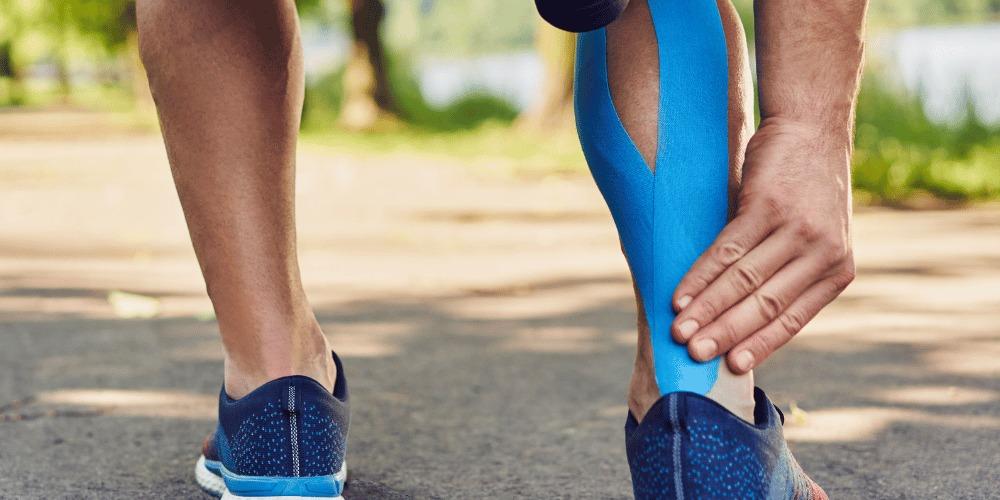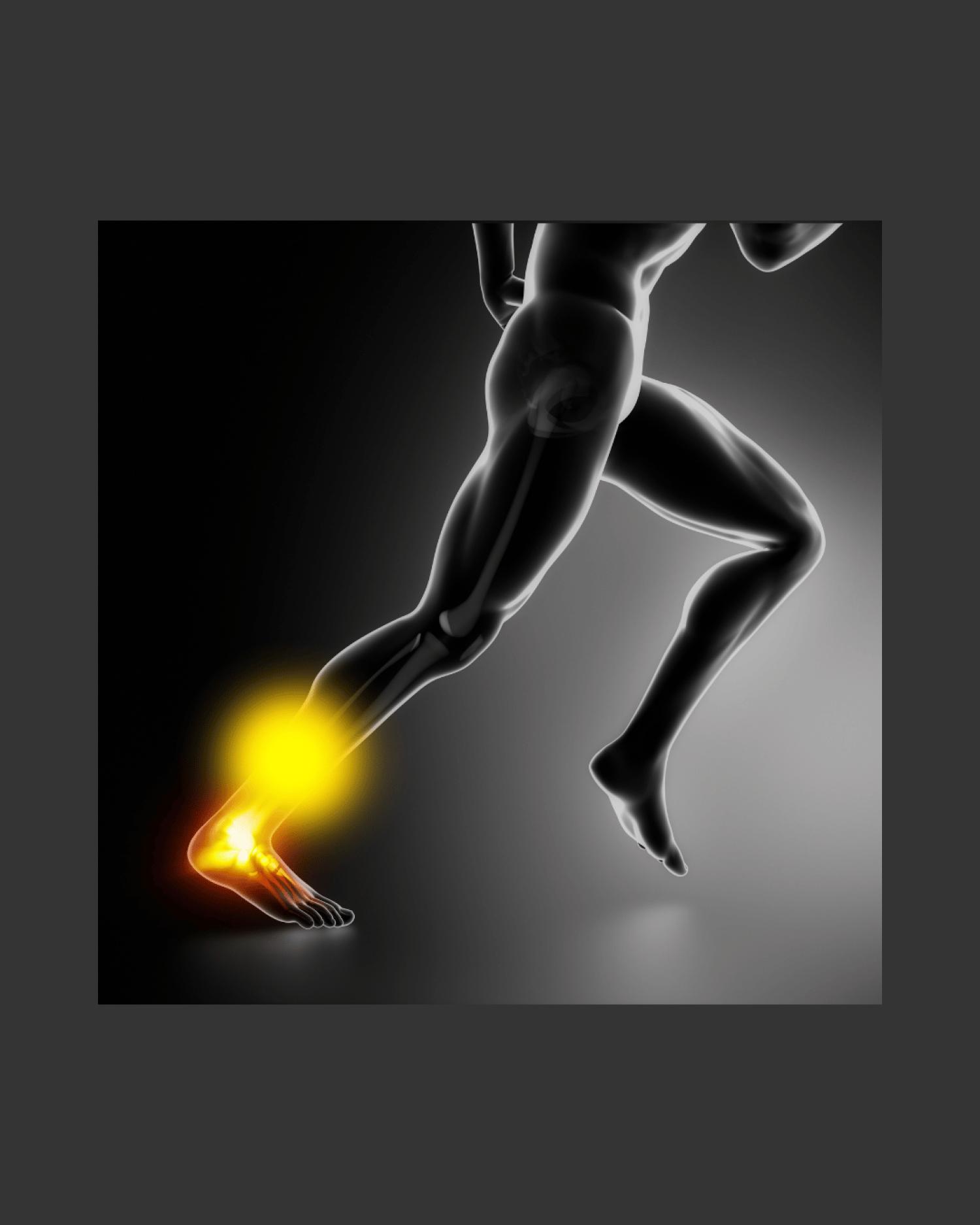

Achilles Phase 1 — Weeks 1–4 (Foundational Load Restoration)
Prepare To Perform
Achilles Load Restoration™
Phase 1 of a Progressive Achilles Capacity System
Achilles Load Restoration™ is the first phase in a staged Achilles rehabilitation and performance pathway. It is designed for individuals who have moved beyond acute or sub-acute Achilles pain, but are not yet ready for running, plyometrics, or elastic training.
This program rebuilds Achilles load tolerance in a structured, conservative, and confidence-driven way, serving as the required foundation before progressing to more demanding phases.
It is not a running program and not a standalone solution. It is the entry point to restoring Achilles capacity safely.
Program Overview
Achilles Load Restoration™ is a 12-week, exercise-based loading program built around clear progression rules and a minimum 72-hour spacing between Achilles loading sessions.
The goal is to restore:
Trust in the injured side
Tolerance to sustained and controlled load
Confidence with unilateral work
without rushing into stretch-shorten cycle demands.
Optional off-day supplementary sessions support circulation, movement quality, and low-load exposure without interfering with primary loading days.
Three Progressive Phases
Phase 1 (Weeks 1–4): Foundational Load Restoration Bilateral and assisted loading, longer isometrics, slow isotonic work, and below-bodyweight elastic intent. Focus: confidence and baseline tolerance.
Phase 2 (Weeks 5–8): Unilateral Capacity & Consolidation Progression toward true single-leg loading, increased time under tension, and heavier controlled strength work.
Phase 3 (Weeks 9–12): Pre-Elastic Readiness High-quality unilateral strength, angle-specific control, and upright elastic intent—without full plyometric demands.
Clear exit checkpoints guide whether to progress, repeat, or regress.
What Comes Next
Upon completion, athletes are prepared to transition into:
Advanced return-to-run programming, or
Achilles Elastic Capacity™, which develops true elastic and plyometric tolerance.
Who This Is For
Persistent or recurrent Achilles pain
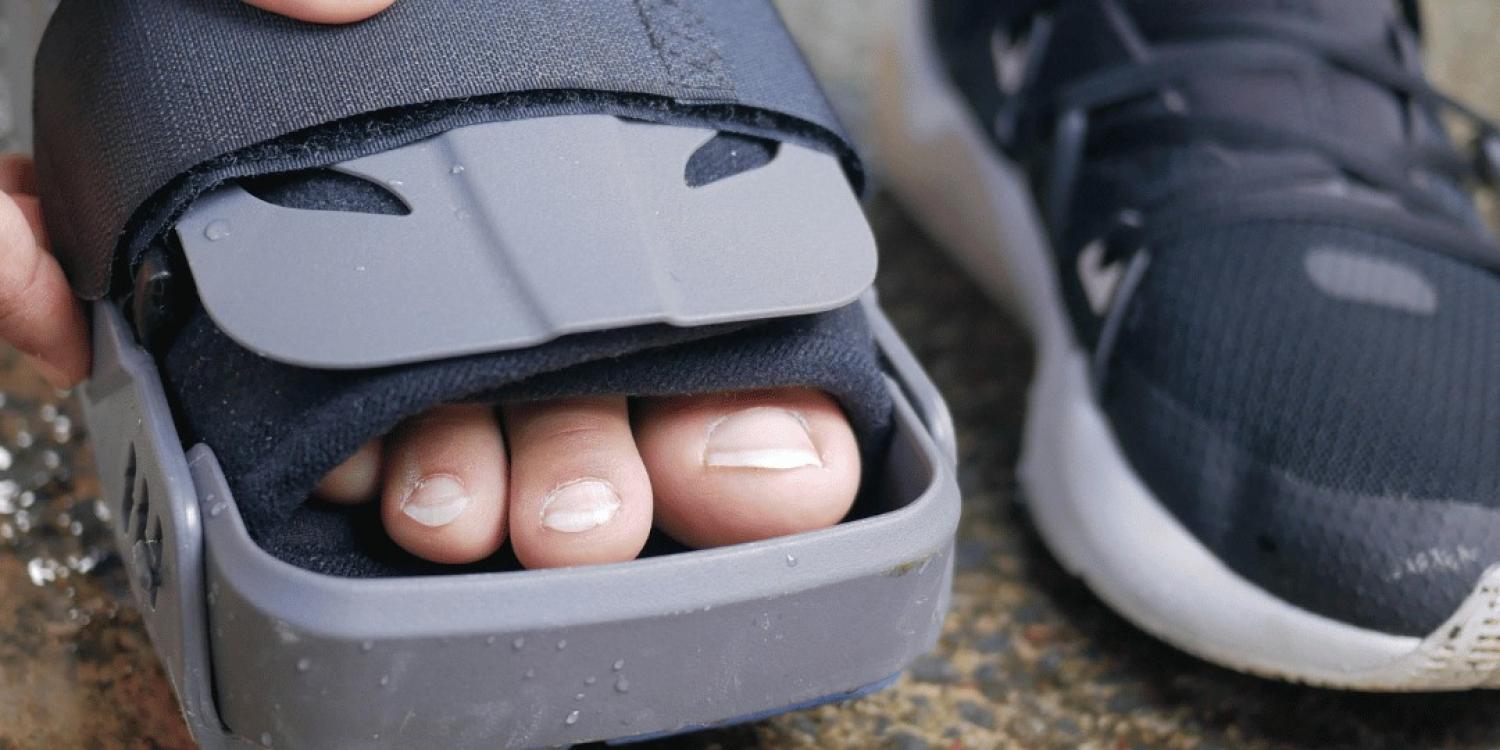
Post-boot or post-offloading phase
Active individuals not yet tolerating regular running
Who This Is Not For
Acute Achilles pain or flare-ups
Individuals already running pain-free
This program is a deliberate first step, designed to rebuild capacity before speed, distance, or plyometrics are introduced.







A1
Ankle plantarflexion isometric hold
4 x 20 @ 90
A2
Diaphragmatic breathing reset
1 x 5
B1
Half-Kneeling Ankle Rocks
3 x 8
B2
Bilateral Eccentric Heel Raise From Floor
2 x 8 @ 90
B3
Short Foot Exercise
2 x 10 @ 30
C
Isometric heel raise
5 x 20
D
Standing Slow Heel Raise
3 x 12 @ 3:00
Conditioning
E
Achilles Exit Checkpoint
Before logging this session, self-check: Is there pain during loading is less than 4/10? Does the pain settles during the session? Is there a sense of threat or guarding? Does the achilles feels worked but not irritated? If pain spikes or lingers: Repeat this exact session at the next exposure rather than progressing.
A1
Ankle pumps & circles
2 x 30
A2
Diaphragmatic breathing reset
1 x 3:00
B
Isometric calf raise wall push
4 x 20
C
Bilateral Eccentric Heel Raise From Floor
2 x 15
D
Walk
1 x 20:00
Uncategorized
E
Achilles Session Exit
WHAT IS EXPLICITLY NOT ALLOWED (OFF-DAYS) ❌ Plyometrics ❌ Hopping ❌ Running or jogging ❌ Loaded single-leg calf work ❌ Fatigue-based conditioning If you feel like asking “Can I just add a bit more?” The answer is no.
A1
Diaphragmatic breathing reset
1 x 5
A2
Ankle plantarflexion isometric hold
4 x 20 @ 90
B1
Short Foot Exercise
2 x 10 @ 30
B2
Bilateral Eccentric Heel Raise From Floor
2 x 8 @ 90
B3
Half-Kneeling Ankle Rocks
3 x 8
C
Isometric heel raise
5 x 20
D
Standing Slow Heel Raise
3 x 12 @ 3:00
Conditioning
E
Achilles Exit Checkpoint
Before logging this session, self-check: Is there pain during loading is less than 4/10? Does the pain settles during the session? Is there a sense of threat or guarding? Does the achilles feels worked but not irritated? If pain spikes or lingers: Repeat this exact session at the next exposure rather than progressing.
A1
Ankle pumps & circles
2 x 30
A2
Diaphragmatic breathing reset
1 x 3:00
B
Isometric calf raise wall push
4 x 20
C
Bilateral Eccentric Heel Raise From Floor
2 x 15
D
Walk
1 x 20:00
Uncategorized
E
Achilles Session Exit
WHAT IS EXPLICITLY NOT ALLOWED (OFF-DAYS) ❌ Plyometrics ❌ Hopping ❌ Running or jogging ❌ Loaded single-leg calf work ❌ Fatigue-based conditioning If you feel like asking “Can I just add a bit more?” The answer is no.
A1
Ankle plantarflexion isometric hold
4 x 20 @ 90
A2
Diaphragmatic breathing reset
1 x 5
B1
Short Foot Exercise
2 x 10 @ 30
B2
Bilateral Eccentric Heel Raise From Floor
2 x 8 @ 90
B3
Half-Kneeling Ankle Rocks
3 x 8
C
Isometric heel raise
4 x 30
D
Standing Slow Heel Raise
3 x 14 @ 3:00
E
Seated Ankle Rhythm Pulses (Below Bodyweight)
3 x 30 @ 90
Conditioning
F
Achilles Exit Checkpoint
Before logging this session, self-check: Is there pain during loading is less than 4/10? Does the pain settles during the session? Is there a sense of threat or guarding? Does the achilles feels worked but not irritated? If pain spikes or lingers: Repeat this exact session at the next exposure rather than progressing.
 Greg Dea
Performance Sports Physiotherapist with over 25 years experience in World Cup winning volleyball, track and field, Australian football and military athletes.

Build capacity first. Progress with confidence.
Get Achilles Phase 1 — Weeks 1–4 (Foundational Load Restoration)