New

Andrew Macri - Foundation Block 1 - Pillar Strength & Aerobic Base

Prepare To Perform

Soccer
Coach
Greg Dea

Foundation Block 1 Pillar Strength, Hamstring Capacity & Aerobic Return

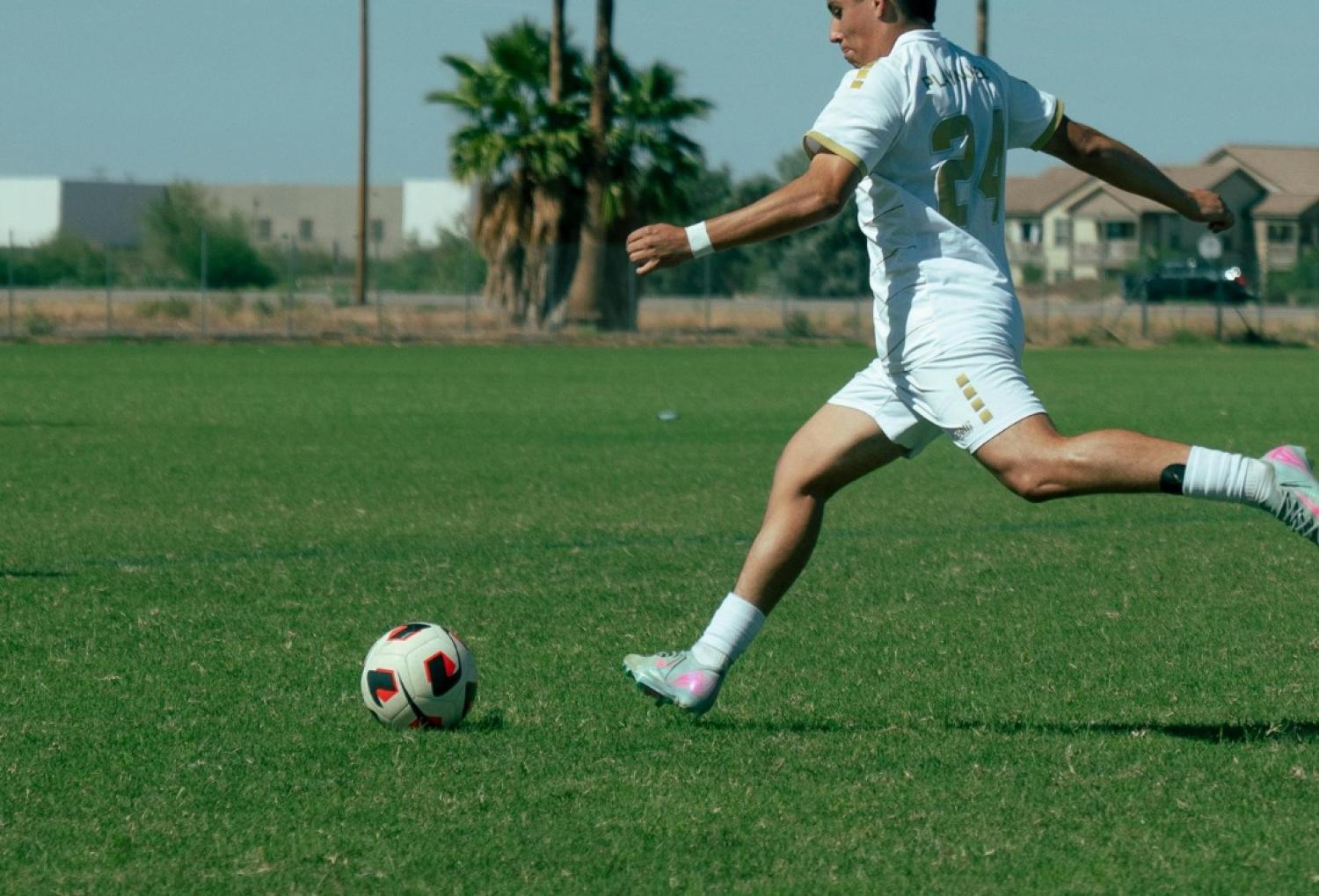
This modified version of Foundation Block 1 is a 6-week training program designed to rebuild global strength, hamstring capacity, and aerobic fitness in a structured, repeatable way — with a clear focus on preparing for a return to recreational soccer.

It is built to support consistency, confidence, and training momentum rather than short-term fatigue.

Program Structure 3 gym-based strength sessions 2 structured running sessions

Gym sessions follow the Foundation philosophy of familiar, repeatable movement patterns with an added hamstring-specific strength emphasis. Hamstring loading is developed through controlled hip hinge patterns, knee-flexion exercises, and isometric work to improve tissue tolerance with low soreness.

Running & Aerobic Development

Each week includes a 5-minute MAS (Maximal Aerobic Speed) test to individualise running speeds. Progressive MAS-based aerobic sessions are then added across the block to steadily improve fitness.

Running remains:

Linear

Controlled

Aerobic-dominant

This approach builds soccer-relevant fitness without sprinting, change-of-direction work, or reactive demands in the early phase.

What the Program Emphasises

Repeatable lower-body and trunk strength

Improved hamstring loading confidence

Aerobic fitness to support running tolerance

Low soreness and high session-to-session consistency

The program deliberately avoids maximal lifting, plyometrics, sprinting, and fatigue-based conditioning.

Progression Philosophy

Progression is subtle and intentional, occurring through:

Improved movement quality

Small increases in load or range

Longer isometric holds

Gradual increases in aerobic volume and density

The aim is to feel smoother, stronger, and better prepared, not simply more tired.

Outcome

By the end of the block, training should feel more controlled and repeatable, hamstring tolerance should be improved, and aerobic fitness should support a confident transition into more soccer-specific running, speed, and change-of-direction work in later phases.

This block builds the base required for a safe, structured return to recreational soccer — without skipping steps.


benefit-image-0
Rebuild Hamstring Strength Safely
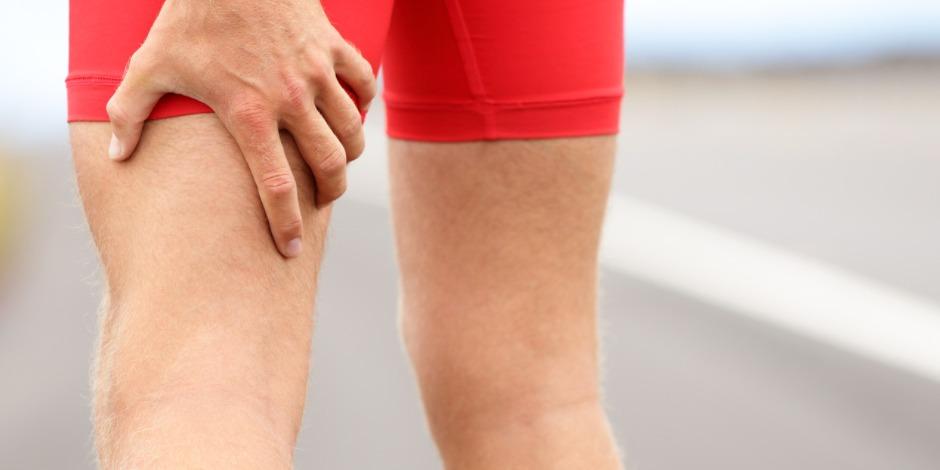
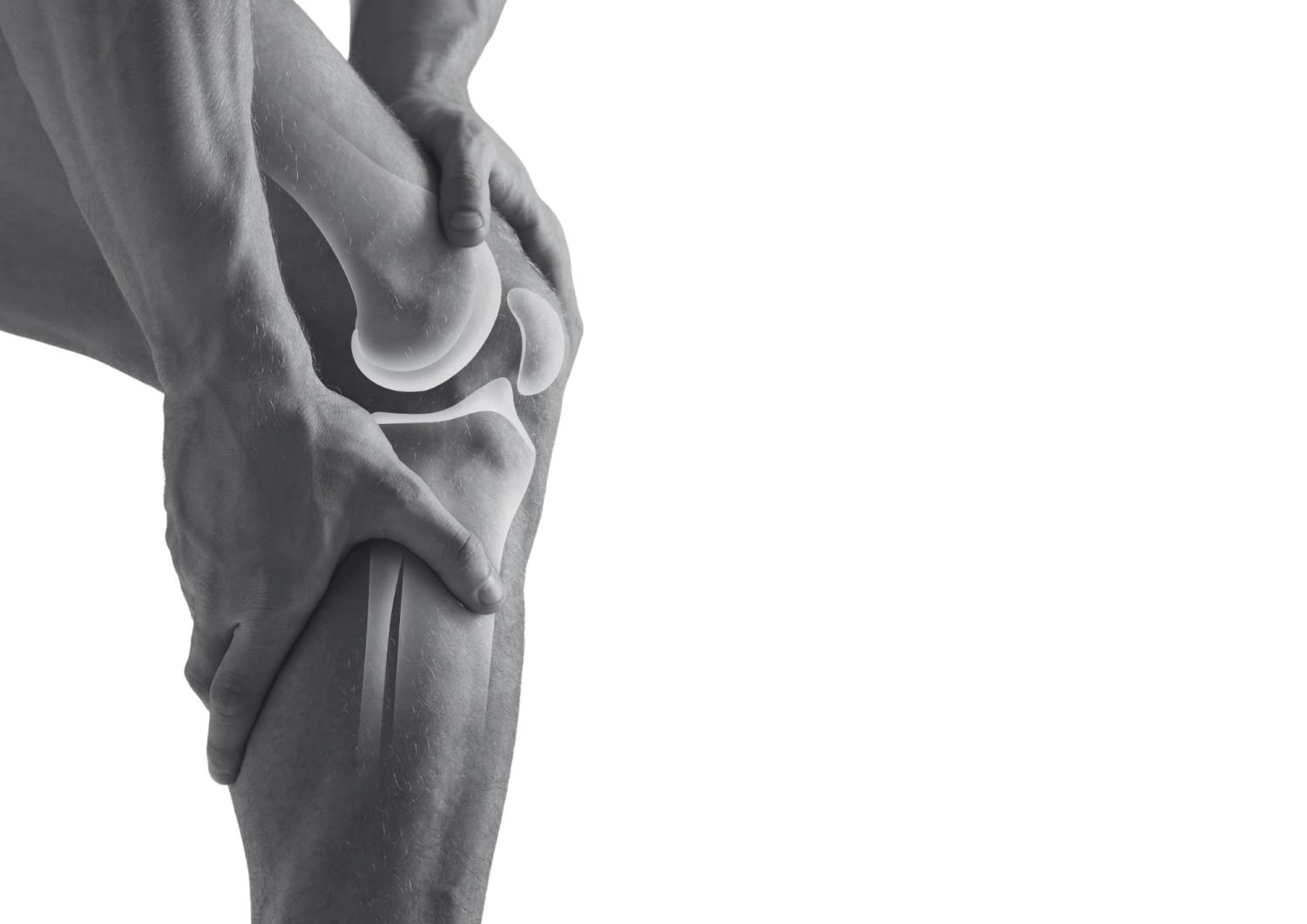
Hamstring strength is developed across the week using controlled hip hinges, knee-flexion work, and isometrics. This improves tissue tolerance and confidence without aggressive loading or high soreness, supporting a safer return to running and field-based activity.
benefit-image-1
Return to Running With Structure
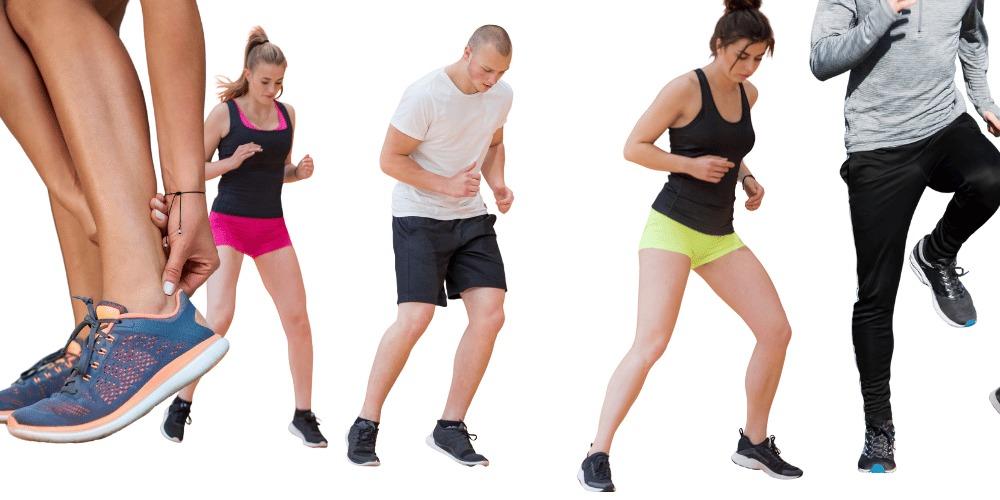
Running is reintroduced using individualised MAS-based sessions. This allows fitness to improve at controlled, aerobic intensities without sprinting, change of direction, or reactive demands, helping running feel predictable and repeatable again.
benefit-image-2
Build Soccer-Relevant Fitness
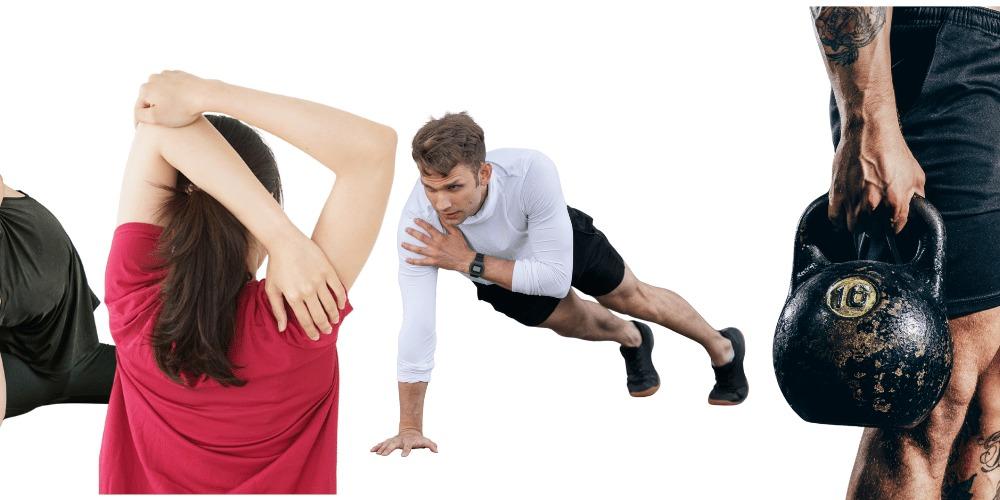
Aerobic development supports the ability to tolerate repeated efforts common in soccer, without jumping straight into high-speed or chaotic work. Fitness improves alongside strength so neither outpaces the other.
benefit-image-3
Train Consistently Without Setbacks
The program prioritises low soreness and high repeatability. Intensity is managed so you can train week to week without flare-ups, making it easier to maintain momentum during a return-to-training phase.
benefit-image-4
Prepare for the Next Phase
This block sets the foundation for later speed, change-of-direction, and soccer-specific training. By improving strength, hamstring capacity, and aerobic tolerance together, the transition to more demanding work becomes smoother and more confident.
Features
feature-icon
Access to your physio
Via the app or SMS
feature-icon
Programming 5 days per week
feature-icon
Exercise Video Guidance
Instructional videos to guide your practice and make execution easy
feature-icon
Delivered through TrainHeroic
To keep you on track.
Equipment
Required
A well equipped gym, perhaps a track or oval, smart watch
sample week banner image
phoneMockup
Sample Week
Week 1 of 6-week program
Sunday
Lower Body Push + Pillar Control

Prep

A

Movement Prep - Lower Body Push + Pillar Control

Watch the video's below if you don't know these movements. Movement Prep (8–10 min) 1. 90-90 Wall Breathing 4–5 slow breaths Ribs soften down, pelvis heavy 2. Quadruped Rock Back 2 × 6 Neutral spine, hips move without shape change 3. Heels-Elevated Bodyweight Squat 2 × 5 Even foot pressure, smooth depth 4. Split Squat ISO (Short Hold) 2 × 10–15s each side Tall torso, quiet back knee 5. Front Plank Shoulder Taps (Slow) 2 × 6 each side No trunk shift

B1

Goblet Squats

4 x 6

B2

Half-kneeling cable lift

4 x 12

C1

Bulgarian Split squat

3 x 6

C2

Suitcase Carry

3 x 30

D

RDL

3 x 6

E1

Band Resisted Front Plank Pull

20, 25, 30

E2

90-90 Wall Breathing

3 x 5

Monday
5-Minute MAS Test

Prep

A

MOVEMENT PREP CIRCUIT — MAS Test Readiness

Total time: ~10–12 minutes Intent: Arrive at the test warm, relaxed, and rhythm-ready without fatigue. See all video's below 1️⃣ Ankle Rock → Heel Raise Transition. Purpose: Restore ankle dorsiflexion and gently preload the Achilles before cyclic running. Dosage: 6–8 reps / side Cues: “Smooth range, no forcing.” Regression: Reduce range 2️⃣ Core-activated hip extension stretch in split stance, not half kneeling Purpose: Restore hip extension to support clean stride mechanics and reduce compensatory Achilles loading. Dosage: 20–30 s / side Cues: “Tall torso.” “Glute on, ribs down.” Regression: Shorten hold Perform standing split-stance version 3️⃣ A-March Drill to A-Skip Purpose: Transition front-side mechanics into low-intensity running rhythm. Dosage: 10 m march → 10–15 m skip Cues: “Foot down under you.” “Stay tall and relaxed.” Regression: A-march only Reduce distance 4️⃣ Ankling 15 m x 2

B

Progressive Run Builds

3 x 30

C

5-Minute MAS Test

1 x 5:00

D

Light Jog

1 x 10:00

E1

Half-Kneeling Ankle Rocks

2 x 20

E2

Calf Stretch

2 x 30

Tuesday
Upper Push / Pull + Anti-Rotation (Updated Jan 3, 2026)

Prep

A

Movement Prep - Upper Push / Pull + Anti-Rotation

Movement Prep — 8–10 min ESSENTIAL (May be condensed to ~5–6 min) 1. Supine Breathing with Reach – 4 breaths 2. Wall Posture Hold – 30–45 s 3. Scap Push-Ups – 2 × 6–8 4 .SA Band Row & Reach – 2 × 6 5. Tall-Kneeling Pallof Hold – 2 × 15–20 s/side

B1

DB Bench Press

4 x 6

B2

Tall kneeling Pallof Press

4 x 16

C1

Chest-Supported DB Row

3 x 8

C2

Half Kneeling Landmine Press

3 x 12

D

Stability Ball Hamstring Curl

3 x 8

E1

Scap Push-Up

10, 9, 8

E2

Diaphragmatic breathing reset

2 x 6

Thursday
Isometric Force + Upper Pull Bias (updated Jan 3, 2026)

Conditioning

A

Movement Prep - Isometric Force + Upper Pull Bias

ESSENTIAL Crocodile Breathing – 4–5 breaths Core-activated Hip Flexor stretch – 2 × 5/side Split Squat Pulse → Hold – 3 pulses, then hold for 1 breath cycle. Repeat for the other side. Band Row ISO Hold – 2 × 10–15 s Side Plank (Short Lever) – 2 × 15–20 s/side

B1

Isometric split squat hold

30, 25, 20

B2

Tall kneeling halo

3 x 12

C1

Lat Pulldown

8, 7, 6, 6

C2

DNS star plank with reach

D1

Single leg long lever hamstring isometric

3 x 20

D2

Reach, roll and lift

3 x 8

Friday
MAS 2 - Long Intervals (Entry Session)

Prep

A

MOVEMENT PREP CIRCUIT — MAS Test Readiness

Total time: ~10–12 minutes Intent: Arrive at the test warm, relaxed, and rhythm-ready without fatigue. See all video's below 1️⃣ Ankle Rock → Heel Raise Transition. Purpose: Restore ankle dorsiflexion and gently preload the Achilles before cyclic running. Dosage: 6–8 reps / side Cues: “Smooth range, no forcing.” Regression: Reduce range 2️⃣ Core-activated hip extension stretch in split stance, not half kneeling Purpose: Restore hip extension to support clean stride mechanics and reduce compensatory Achilles loading. Dosage: 20–30 s / side Cues: “Tall torso.” “Glute on, ribs down.” Regression: Shorten hold Perform standing split-stance version 3️⃣ A-March Drill to A-Skip Purpose: Transition front-side mechanics into low-intensity running rhythm. Dosage: 10 m march → 10–15 m skip Cues: “Foot down under you.” “Stay tall and relaxed.” Regression: A-march only Reduce distance 4️⃣ Ankling 15 m x 2

Conditioning

B

MAS 1 - Long Intervals - entry

Purpose: Introduce aerobic work at controlled MAS percentages, reinforcing pacing and tolerance to sustained cyclic running. Dosage: 3 × 3 minutes @ ~90% MAS Recovery: 3 minutes @ ~45–50% MAS (easy jog or walk–jog) Normally 2 sets - this is an entry session after a long rehab from injury. Cues: “Settle into pace early.” “You should finish each rep knowing you could do one more.” Regression: Reduce to 2 reps Lower intensity to 85% MAS Extend recovery to full walk

C

Single leg Pogo Hops - low amplitude

2 x 15

closer-image-1
closer-image-2
Build the Base for Soccer

a confident return to recreational soccer. Progress is controlled and intentional, setting you up for future speed and change-of-direction work without skipping steps.

Get Andrew Macri - Foundation Block 1 - Pillar Strength & Aerobic Base


closer-image-3
FAQs
Why does this block emphasise hamstring strength?
Hamstrings are critical for running and soccer demands. This block improves strength and tolerance using controlled hinges, knee-flexion work, and isometrics so they’re better prepared for future speed and change-of-direction work without excessive soreness.
Why are running sessions based on MAS testing?
The MAS test individualises running speeds so aerobic work is challenging but controlled. This removes guesswork, keeps intensity appropriate, and allows fitness to improve steadily without jumping straight into sprinting or high-speed running.
Will this prepare me to play soccer again?
This block prepares the physical base required for soccer by improving strength, hamstring capacity, and aerobic fitness. It does not include sprinting or agility yet, but it sets the foundation needed to safely progress into those demands later.
What if I feel sore or fatigued during the block?
Mild muscle awareness is normal, but persistent soreness is not the goal. Loads, running volumes, and intensity can be adjusted to maintain consistency. The priority is repeatable training and recovery, not pushing through fatigue.
Andrew Macri - Foundation Block 1 - Pillar Strength & Aerobic Base