Prepare To Perform

Coach
Greg Dea

Primary Aim:
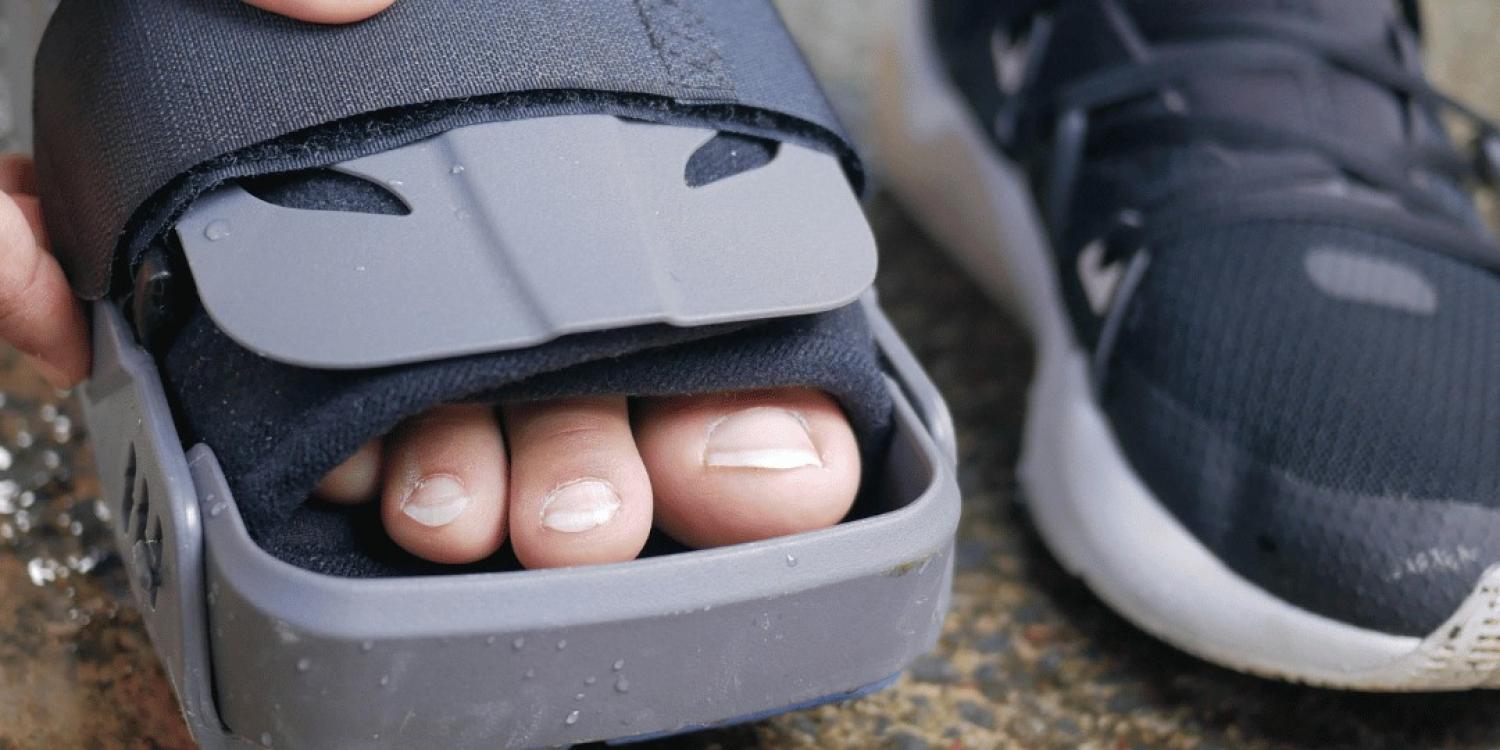
Transition from protected partial weight bearing toward controlled plantigrade loading while introducing low-intensity concentric and eccentric calf work under strict constraints.

Features
1 sessions per week
Must use App app to view and log training
Program Training
benefit-image-0
Introduces Safe Calf Loading
Begins light concentric and controlled eccentric calf work within surgical limits, helping the tendon adapt to load without exceeding plantar grade or risking early overload.
benefit-image-1
Builds Confidence in Weight Bearing
Guides the transition from partial toward fuller weight bearing in the boot, improving stability and walking confidence without premature push-off or propulsion.
benefit-image-2
Progresses Strength With Guardrails
Structured closed-chain and ankle strengthening sessions increase load tolerance while maintaining clear boundaries and progression checkpoints.
benefit-image-3
Improves Early Proprioception
Introduces controlled balance and ankle awareness drills to restore neuromuscular control without exposing the tendon to high-risk forces.
benefit-image-4
Creates a Clear Mid-Phase Checkpoint
Designed as a focused 2-week block, this program reinforces reassessment before advancing to higher load phases, reducing the risk of setbacks during early remodeling.
Features
feature-icon
Access to your coaches
You can send messages from within the app.
feature-icon
Programming 3 days per week
feature-icon
Exercise Video Guidance
Instructional videos to guide your practice and make execution easy
feature-icon
Delivered through TrainHeroic
Sweating over a lifeless PDF is so last year.
sample week banner image
phoneMockup
Sample Week
Week 1 of 2-week program
Sunday
W5 Session A1 — Plantigrade Introduction

Conditioning

A

Hydrotherapy Walking (If Cleared)

Purpose Reduce ground reaction forces while attempting to regain what normal walking might feel like. Dosage 5–10 min continuous walking in chest-depth water Rest As needed Cues “Step through evenly, no push-off.” Regression Marching in place in water.

B

Seated Towel Calf Stretch

3 x 30

C

Seated Heel Raise

3 x 12

D

Supported Standing Weight Shifts

3 x 30

E

Hands Supported Split Squat Iso Hold

3 x 30

Tuesday
W5 Session A2 — Plantigrade Introduction

Conditioning

A

Hydrotherapy Walking (If Cleared)

Purpose Reduce ground reaction forces while attempting to regain what normal walking might feel like. Dosage 5–10 min continuous walking in chest-depth water Rest As needed Cues “Step through evenly, no push-off.” Regression Marching in place in water.

B

Seated Towel Calf Stretch

3 x 30

C

Seated Heel Raise

3 x 12

D

Supported Standing Weight Shifts

3 x 30

E

Hands Supported Split Squat Iso Hold

3 x 30

Thursday
W5 Session A3 — Plantigrade Introduction

Conditioning

A

Hydrotherapy Walking (If Cleared)

Purpose Reduce ground reaction forces while attempting to regain what normal walking might feel like. Dosage 5–10 min continuous walking in chest-depth water Rest As needed Cues “Step through evenly, no push-off.” Regression Marching in place in water.

B

Seated Towel Calf Stretch

3 x 30

C

Seated Heel Raise

3 x 9

D

Supported Standing Weight Shifts

3 x 20

E

Hands Supported Split Squat Iso Hold

3 x 25

Uncategorized

F

Week 5 Checklist

This is a list of important objectives that are desirable by the end of this 3rd session in week 5: ✔ No increase in swelling after sessions ✔ No delayed Achilles soreness >24 hrs ✔ Gait improving, not regressing ✔ No pulling sensation during stretch If any fail → hold at current level and review.

closer-image-1
closer-image-2
Progress With Control, Not Urgency

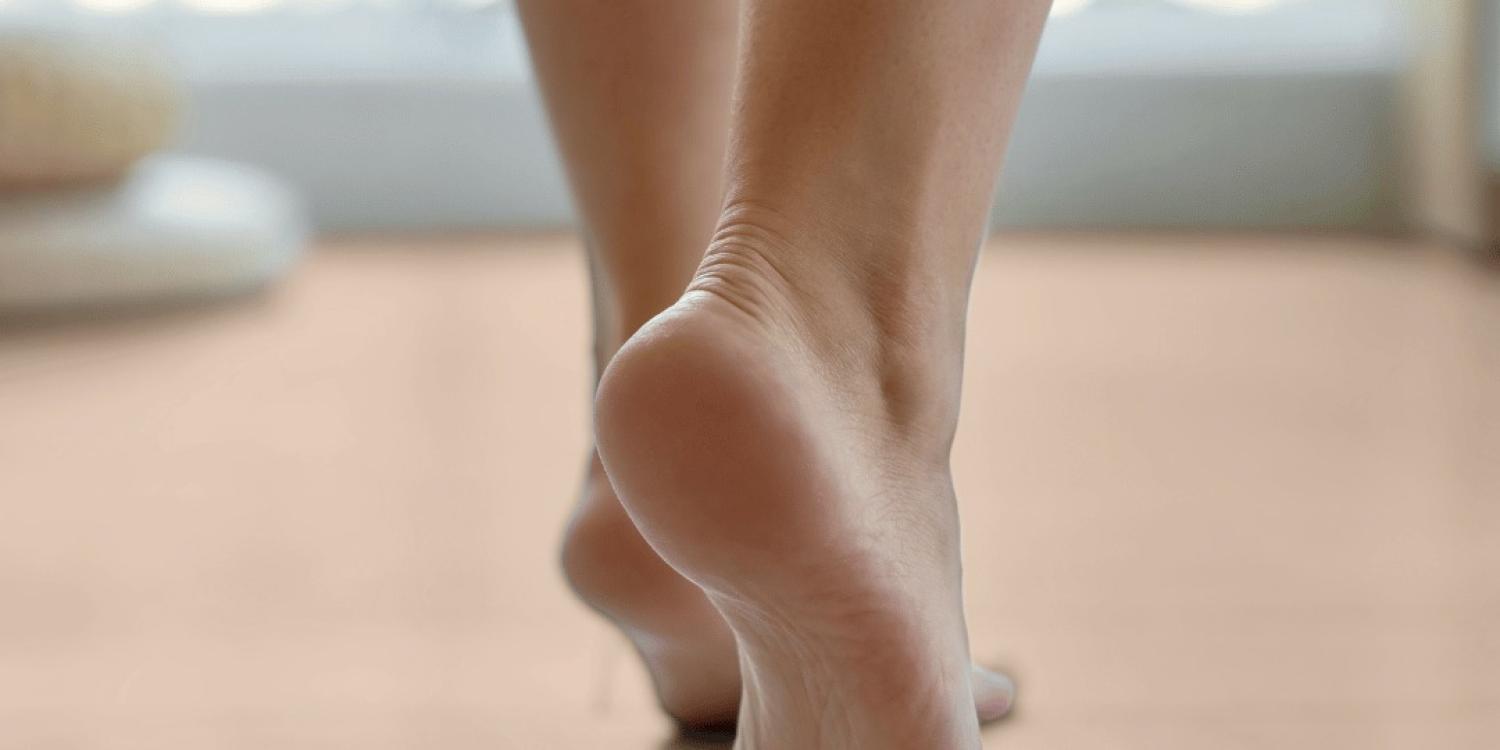
Weeks 5–6 are about introducing load without losing protection. This phase helps you build tolerance, improve confidence, and move forward deliberately — so the tendon adapts safely before advancing to higher-demand training.

Get Achilles Repair: Controlled Load Transition (Weeks 5–6)

closer-image-3
FAQs
When can I take the boot off during this phase?
You may remove the boot for specific seated or non–weight bearing exercises (such as band work or seated calf raises), provided your surgeon has allowed this. However, all walking and weight-bearing activities must remain in the boot unless explicitly cleared otherwise.
Should calf exercises feel strong or difficult?
They should feel controlled and moderately fatiguing, not painful or forceful. You should never push into sharp pain, pulling, or deep tightness at the repair site.
Is mild soreness normal after sessions?
Mild muscle fatigue is acceptable. However, increased swelling, prolonged Achilles soreness lasting more than 24 hours, or stiffness that worsens the next day means you should pause and consult your physio.
Can I increase the load faster if I feel good?
No. This phase is structured deliberately. Feeling good does not mean the tendon is ready for aggressive progression. Follow the programmed progression exactly.
When do I move to the next phase?
Only when you can tolerate full weight bearing in the boot, complete calf work without reactive swelling, and meet your checklist criteria. Ideally, this transition should be reviewed by your physiotherapist.
Achilles Repair: Controlled Load Transition (Weeks 5–6)