Fibula Fracture Rehab Program, weeks 3 - 5
Prepare To Perform
**Boot-Phase Fibula Fracture Training Program
A Structured Phase 1 Return-to-Load System**
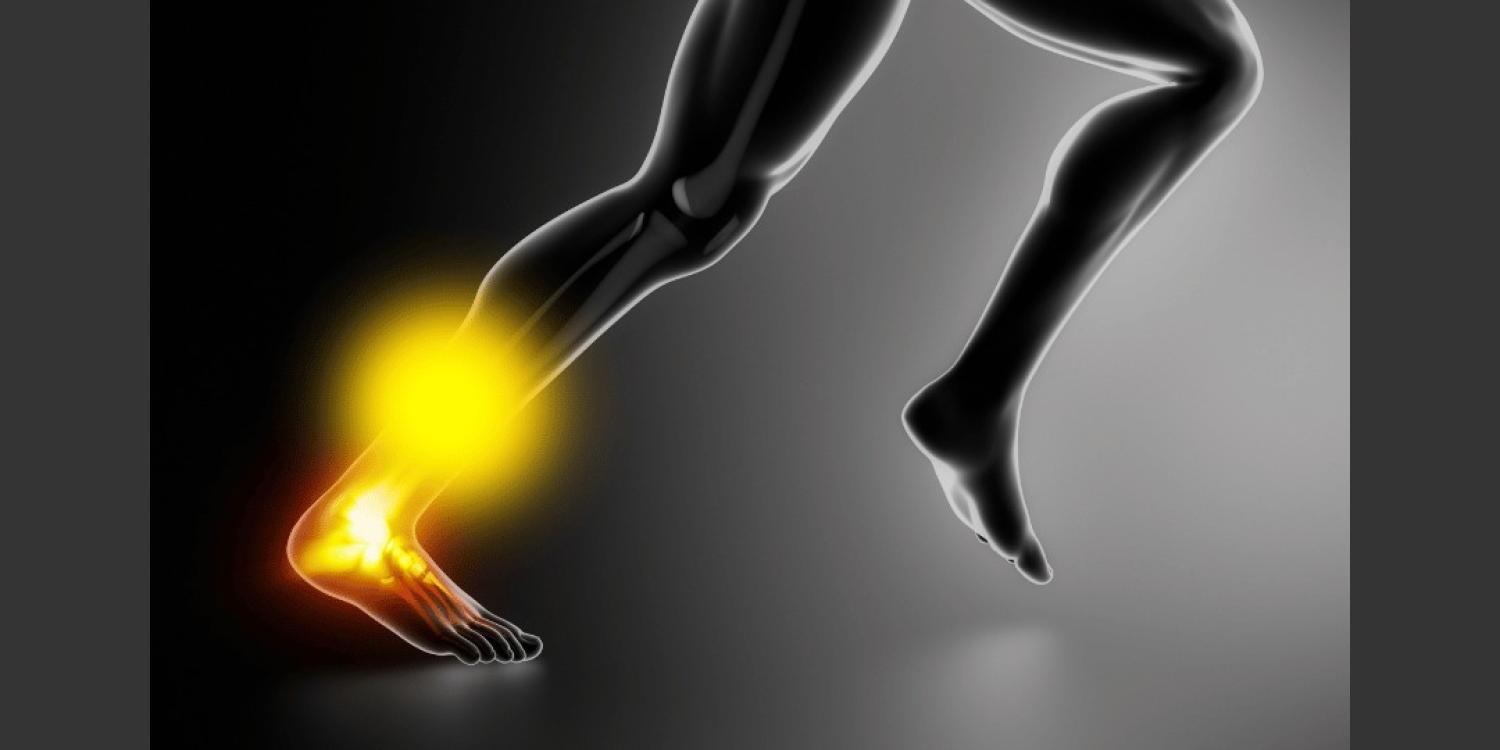
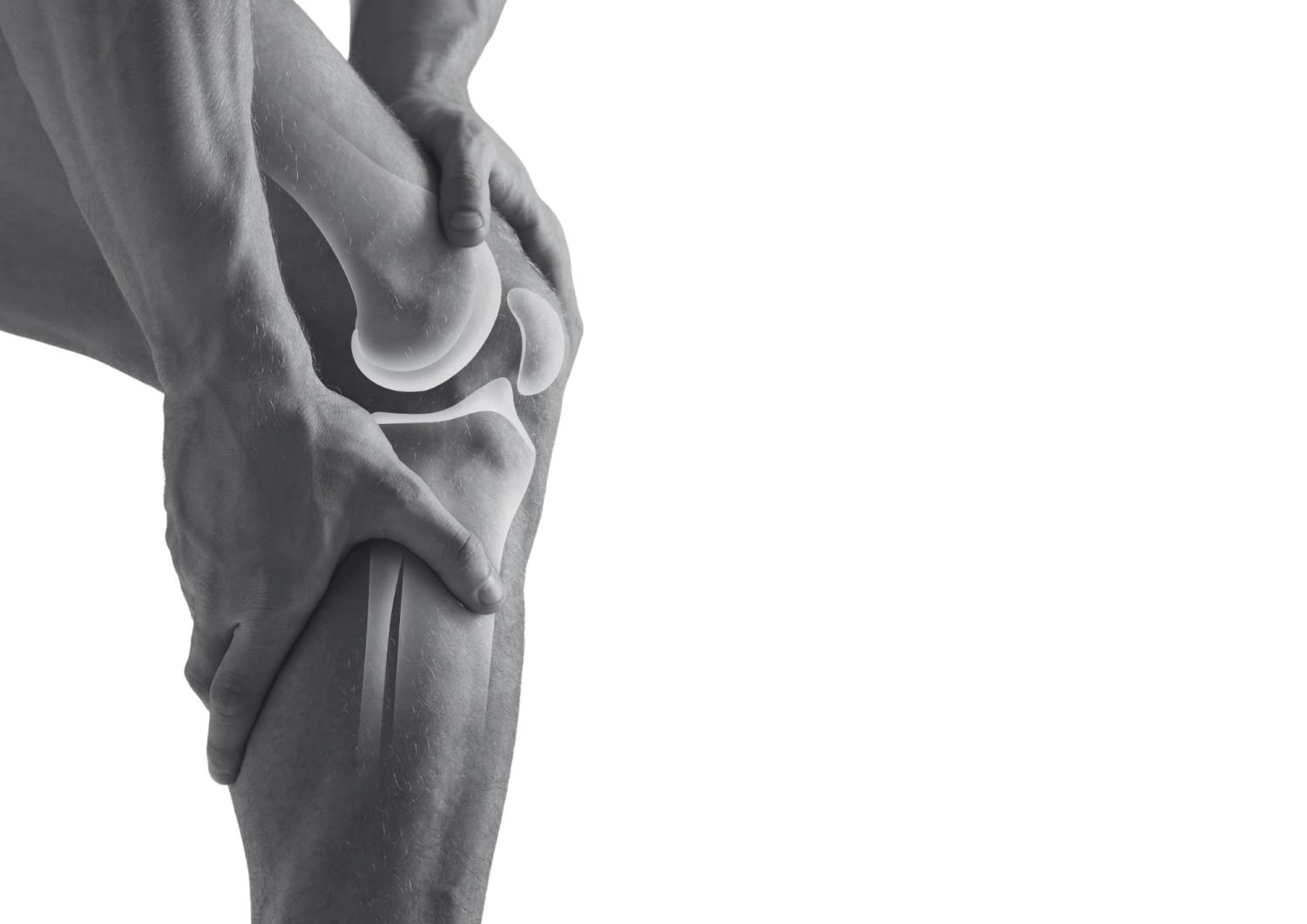
Recovering from a fibula fracture requires more than rest — it requires structure.
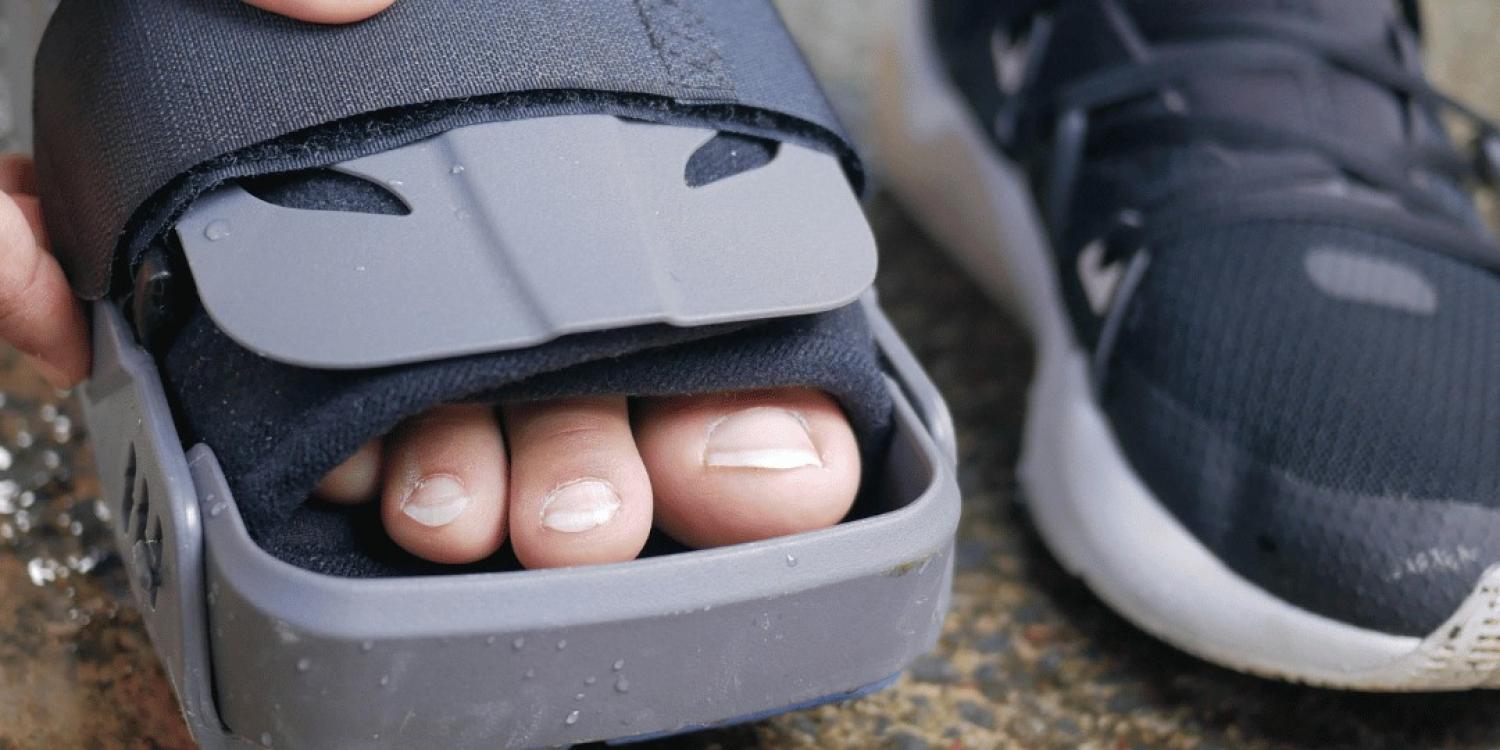
This 3-week program is designed for athletes who have completed Phase 0 (Protection & Medical Management) and are now weightbearing in a CAM boot, cleared for progressive strengthening.
Understanding the Phases
Phase 0 (Weeks 0–2): Protection & Medical Management Imaging, diagnosis, immobilisation, and controlled protection. No loading. No performance training. The focus is healing and stabilisation.
Phase 1 (Weeks 3–5): Boot-Phase Reload This program lives here.
Once walking in a CAM boot is tolerated and progressive strengthening is cleared, the goal shifts from protection to controlled reloading — without risking displacement, torsion, or premature strain.
What This Program Does
This is a structured bridge between early healing and medical reassessment.
It is built to:
• Restore calf load tolerance safely • Maintain bilateral lower body strength (≤70% loading) • Preserve upper body force production • Maintain aerobic fitness through bike and pull buoy intervals • Avoid locomotion under load • Eliminate impact and torsional stress • Prevent deconditioning during the boot phase
Every session includes:
• Clear purpose • Sets, reps, tempo, and rest • Progression guidelines • Regression options • Strict “Not-To-Do” safeguards
What This Program Is Not
This is not a return-to-running plan. This is not a plyometric progression. This is not sport-specific reintegration.
Those belong to later phases.
What Happens After Week 5–6?
In most cases, a repeat X-ray and medical reassessment occur around Week 5 or 6.
Progression beyond this phase depends on:
• Imaging findings • Clinical examination • Tenderness resolution • Load tolerance • Clearance for running
Further rehabilitation and performance training are strongly advised beyond this program.
This is Phase 1 of a structured return-to-performance pathway.
Who This Is For
• Athletes weightbearing in a CAM boot • Individuals cleared for progressive strengthening • Those who want to maintain strength and conditioning during fracture recovery • Anyone seeking a structured bridge between injury and safe return to activity
Heal properly. Reload intelligently. Arrive at reassessment stronger — not behind.




A
Double-Leg Mid-Range Calf Isometric Hold
4 x 30 @ 60
B1
Standing Slow Heel Raise - Double Leg
3 x 10 @ 90
B2
Trap Bar Deadlift
3 x 12 @ 55.12, 66.14, 77.16 kg
C1
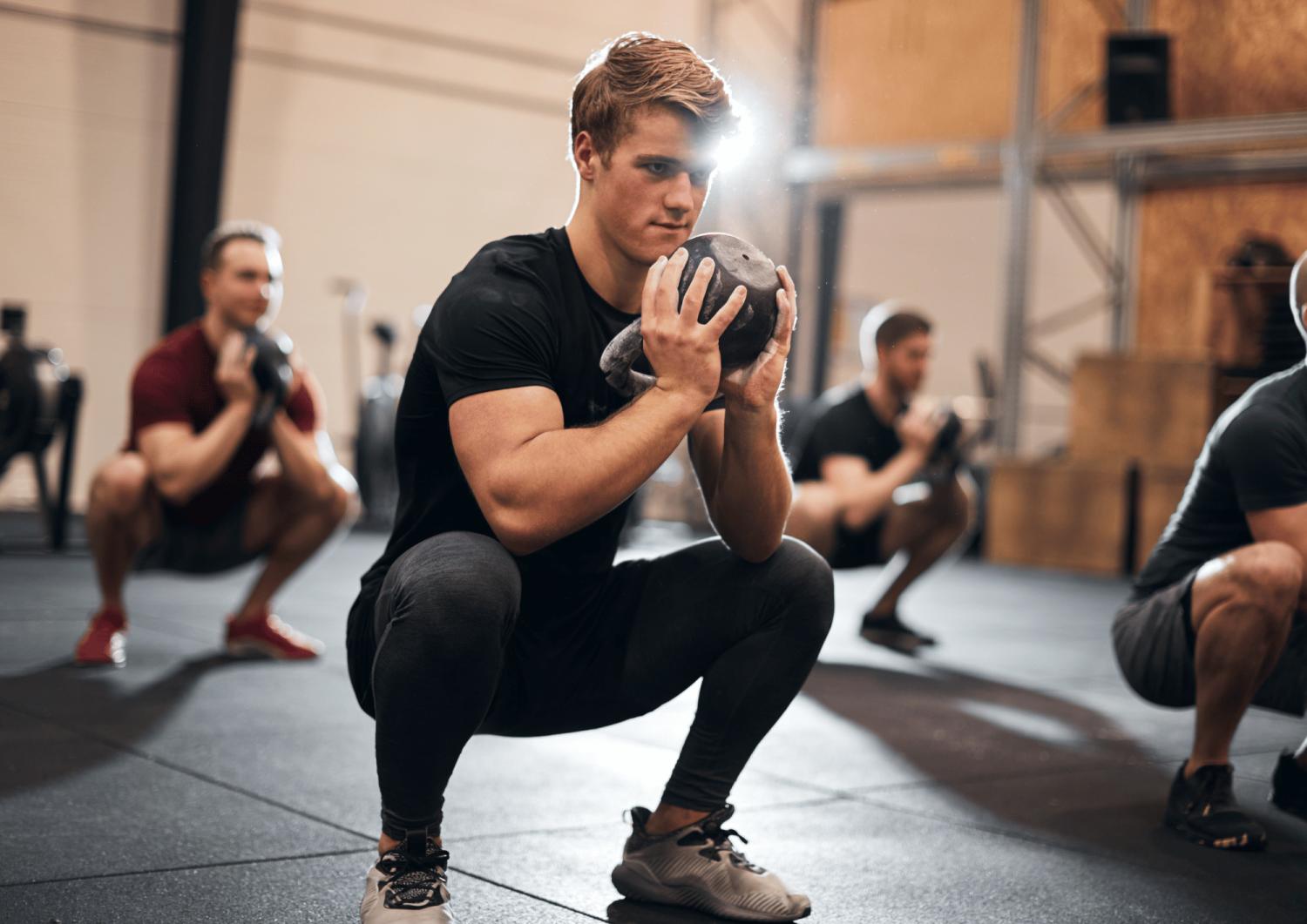
Narrow Stance Heels Elevated Goblet Squat
3 x 8 @ 17.64, 22.05, 26.46 kg
C2
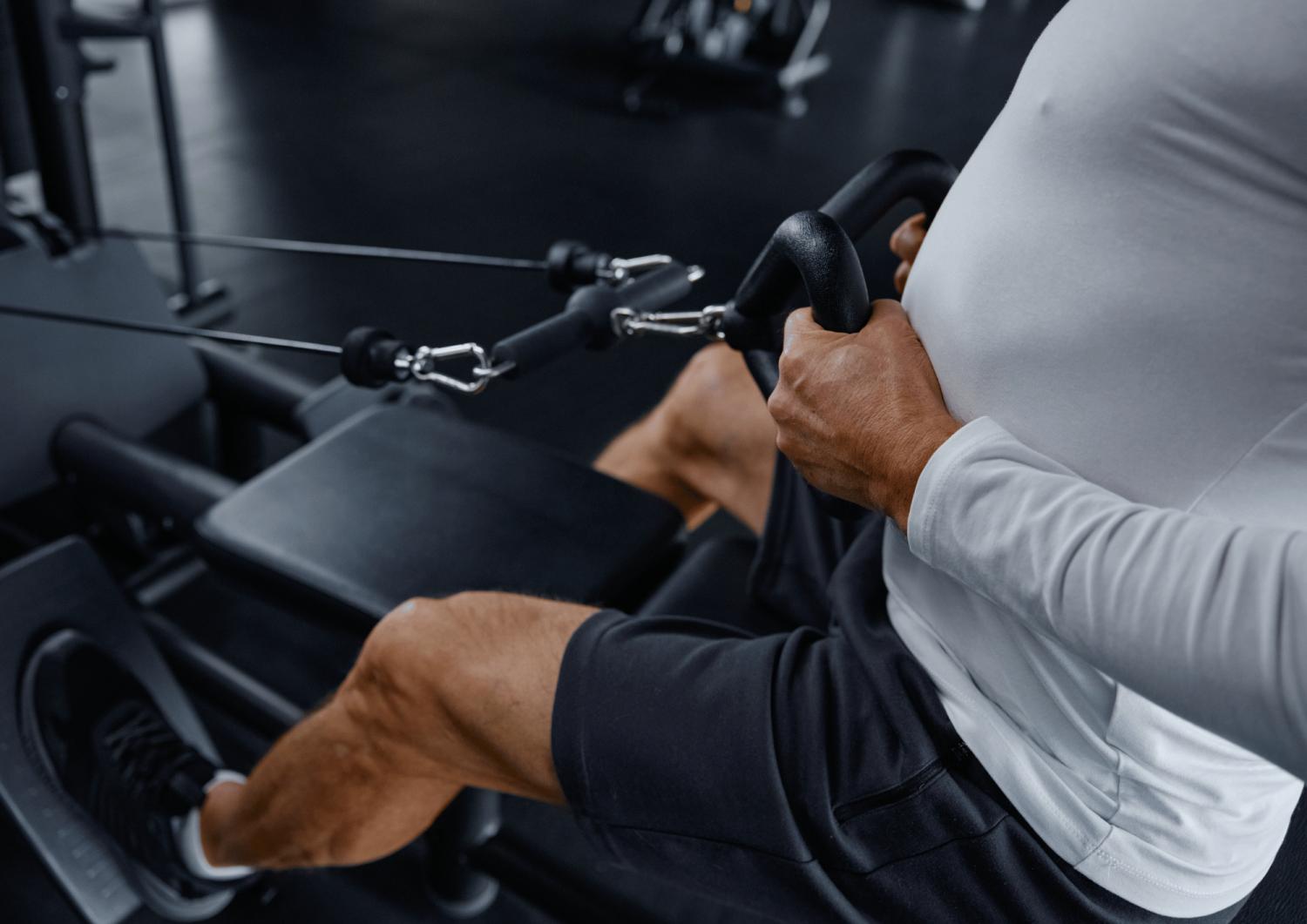
Machine Seated Row
4 x 8
D
Stationary Bike
1 x 20:00
A
Stationary Bike
1 x 30:00
B
DNS star plank with reach
3 x 10
C
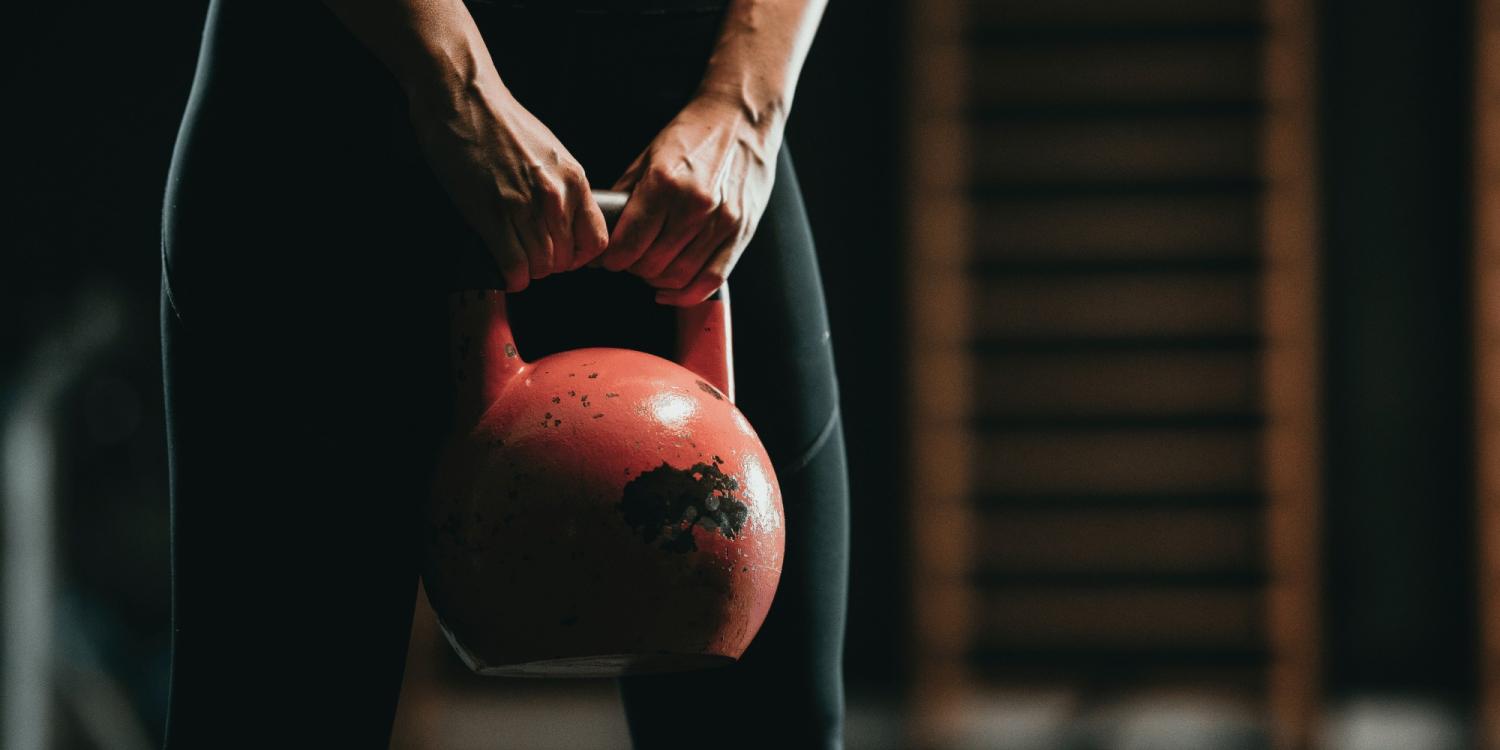
Heavy Seated Kettlebell Holds
4 x 30
D
Half kneeling Pallof Press (Cable)
3 x 10
E
Heels Elevated Glute Bridge (Camboot on!)
4 x 10
F
Hamstring curl machine
4 x 12
A1
Standing Slow Heel Raise - Double Leg (60/40 Bias Injured Side)
3 x 8 @ 90
A2
Chest-Supported DB Row
3 x 10
B1
Isometric mid-thigh pull
4 x 5 @ 5
B2
Barbell Bench Press
3 x 5 @ 66.14, 71.65, 82.67 kg
C
Tall kneeling Pallof Hold
3 x 20
Bike intervals
D
Purpose: Moderate aerobic stimulus Dosage: 6 rounds 30 seconds hard (RPE 7) 60 seconds easy Regression: 4 rounds
A
Swimming
8 x 25 @ 30
B
Swimming
6 x 25 @ 30
A
Trap Bar Deadlift
4 x 5 @ 55.12, 66.14, 77.16, 88.18 kg
B
Box Squat
4 x 8 @ 55.12, 66.14, 77.16, 88.18 kg
C1
Seated Calf Raise
3 x 12 @ 22.05 kg
C2
Copenhagen Plank (Short Lever)
3 x 15
D
Stationary Bike
1 x 25:00

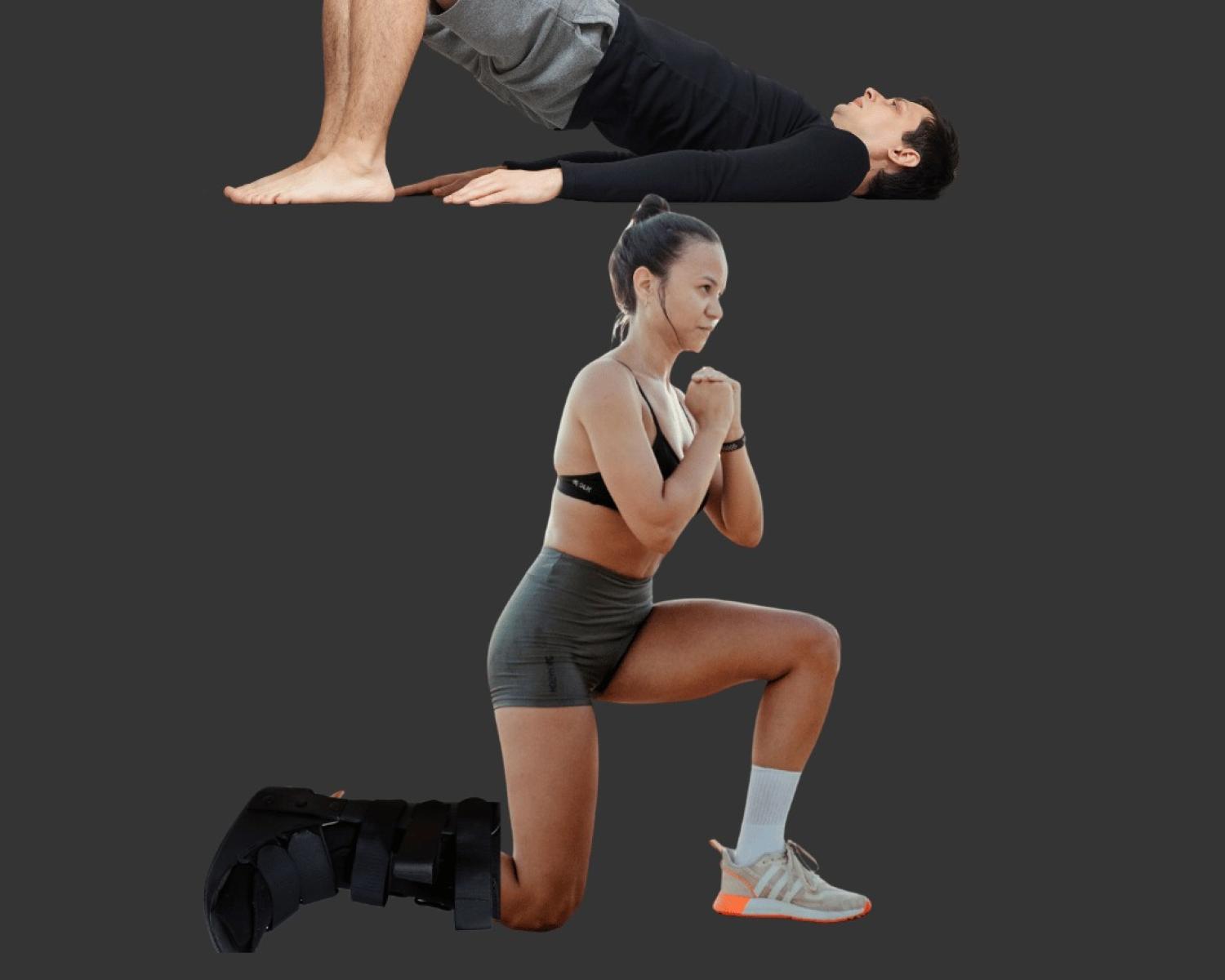
This boot-phase program protects healing while rebuilding strength, capacity, and confidence. Structured, progressive, and basketball-specific—so when clearance comes, the athlete returns prepared, not behind.
Get Fibula Fracture Rehab Program, weeks 3 - 5